

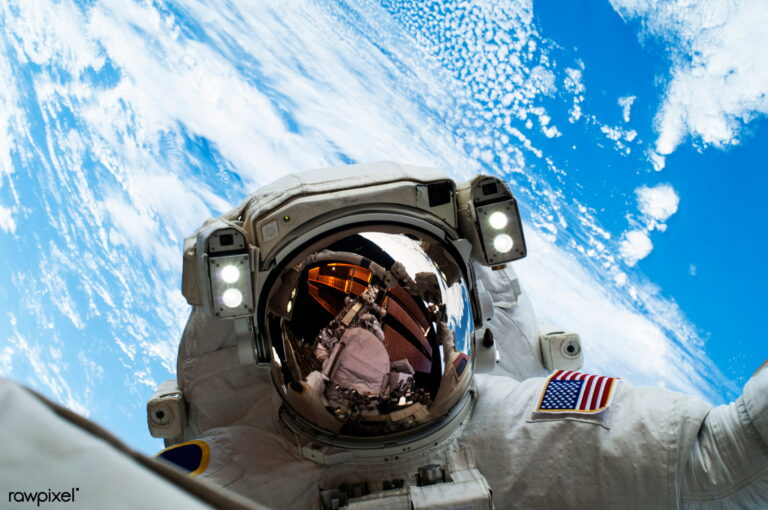
“There couldn’t be a better location to study the health effects of human space flight,” says Emmanuel Urquieta, M.D., M.S., FAsMA, vice chair of aerospace medicine and associate professor of medicine at UCF. And with the university’s proximity to Kennedy Space Center and the opportunity to collaborate in research and education across 12 colleges, it’s not hard to imagine why.
What might be harder to imagine: how understanding the effects of space travel could be the catalyst for life-changing procedures for people who’ve only dreamed of what lies beyond our atmosphere. But it’s true. Research into the conditions that arise during space travel, like radiation exposure, bone loss in zero gravity and space motion sickness can also help patients on Earth.
For example, Urquieta says multiple studies have shown that space travel increases stress and oxidation in the body. Because stress and oxidation contribute to inflammation — a major factor in many diseases — studying how to reduce these effects in space could also help shape future anti-aging therapies on our home planet.
The unique opportunities in space health can drastically improve our understanding of the human body, and Urquieta has plans to establish the only master’s degree in space medicine in the nation. Similarly, he hopes to develop a fully accredited aerospace medicine residency program — which would become one of only two in the U.S.
With your partnership, we can train tomorrow’s space medicine leaders, creating better conditions for all humans, from those in our communities to those destined for Mars.